
Quick answer
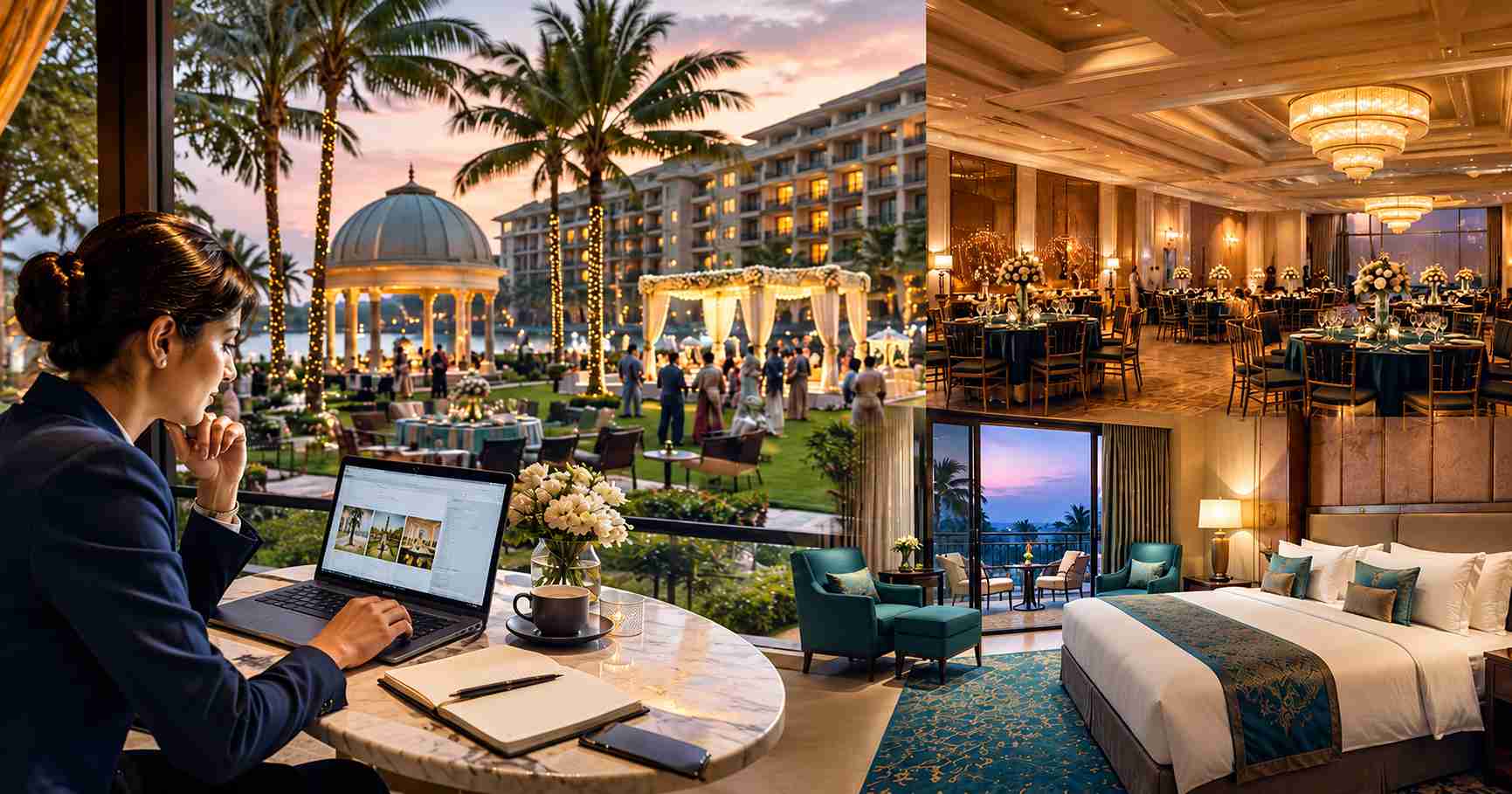
Rooms, packages, weddings and events represent different buying journeys. They should not share one generic message or one unqualified form; each needs its own intent, evidence and conversion path.
Why this matters now
Hotel demand is not one audience. A family planning a weekend, a couple choosing a honeymoon, a company arranging an off-site and a wedding planner shortlisting venues need different information. Campaign structure should preserve those meaningful differences while keeping enough budget in each segment to learn. The immediate opportunity in ChatGPT ads for hotel packages, weddings and events is to make a traveller's next decision easier while giving the hotel a traceable commercial outcome.
The four working priorities for this article are to separate campaigns by commercial use case; match creative to the decision-maker; design purpose-specific forms and pages; and report rooms and event revenue separately. Together they turn the topic from an isolated marketing task into a process the hotel can operate, inspect and improve.
What success should look like
A successful programme produces decisions as well as bookings. The hotel learns which guest needs fit the property, which messages create qualified interest, where the journey loses momentum and what should receive the next unit of budget or editorial effort. That learning remains useful even as platforms change.
A practical four-part framework
1. Separate campaigns by commercial use case
Assign one accountable owner to separate campaigns by commercial use case, even when several teams contribute. Give that owner access to the relevant campaign, website, CRM and booking evidence, plus a regular review rhythm. Shared contribution should not result in unclear responsibility. Keep the segment narrow enough for message relevance but large enough to produce useful learning.
2. Match creative to the decision-maker
Translate match creative to the decision-maker into a quality-assurance checklist. Check accuracy, mobile experience, source capture, consent, response routing and the fallback for anything the system or page cannot answer. Complete a real internal test before exposing the journey to guests. Keep the segment narrow enough for message relevance but large enough to produce useful learning.
3. Design purpose-specific forms and pages
Before approving wider reach, demonstrate how the hotel will design purpose-specific forms and pages. The answer should cover data definitions, handoffs and the business threshold for continuing. This avoids optimising a convenient platform signal that has little connection to room or event revenue. Keep the segment narrow enough for message relevance but large enough to produce useful learning.
4. Report rooms and event revenue separately
Review report rooms and event revenue separately with examples from real enquiries. Ask which guest questions were answered, where the promise became unclear and whether reservations had enough context to help. Convert those observations into one controlled improvement at a time. Keep the segment narrow enough for message relevance but large enough to produce useful learning.
Hotel example
Consider an independent resort with a differentiated weekend experience but limited media budget. The team chooses one profitable guest type, creates a page answering that guest's essential questions and connects every enquiry to a shared CRM pipeline. The reservations team agrees to response-time and qualification standards before media begins. Marketing then reviews both the acquisition data and confirmed booking outcomes each week. Applied to ChatGPT Ads for Hotel Packages, Weddings and Events, the example shows why campaign, website and sales operations have to be designed together.
The example is hypothetical and is intended to demonstrate process, not promise a particular result.
What to measure
Use a short scorecard that answers commercial questions. Add diagnostic metrics only when they help explain movement in these outcomes.
| Metric | Decision it should support |
|---|---|
| Intent fit | Does the enquiry match the promoted stay or event? |
| Valid contact rate | Can sales reach the prospect? |
| Qualified pipeline value | What potential revenue entered the CRM? |
| Confirmed bookings | Which opportunities generated reservations or events? |
Common mistakes to avoid
- Starting execution before the team can separate campaigns by commercial use case.
- Trying to match creative to the decision-maker with a generic message that does not match a real planning need.
- Paying for attention while failing to design purpose-specific forms and pages on mobile and during sales follow-up.
- Reporting activity without a dependable method to report rooms and event revenue separately.
- Allowing unverified platform details, prices or property claims into guest-facing content.
30-day implementation plan
Days 1-5
Interview reservations about real guest questions, review current data and separate campaigns by commercial use case. Document exclusions as carefully as goals.
Days 6-12
Create a focused brief to match creative to the decision-maker. Prepare proof, message, page and ownership together.
Days 13-18
QA the full guest path and design purpose-specific forms and pages. Check consent, source capture, failure states and response time.
Days 19-30
Run a controlled release and report rooms and event revenue separately. Change only the element supported by the clearest evidence.
Frequently asked questions
What is the first step for ChatGPT Ads for Hotel Packages, Weddings and Events?
Start with separate campaigns by commercial use case. Write the intended guest, offer, conversion and owner in one brief before building media or content.
How should a hotel judge whether this is working?
Track the funnel through report rooms and event revenue separately. Use the measurement table above and connect platform activity to CRM and booking outcomes.
What is the main risk to avoid?
Start with the smallest structure that preserves meaningful traveller intent. Expand only when each additional segment can receive enough budget and distinct messaging.
Conclusion
Rooms, packages, weddings and events represent different buying journeys. They should not share one generic message or one unqualified form; each needs its own intent, evidence and conversion path. The most durable advantage comes from connecting strategy, media or content, the hotel website, guest communication and booking evidence. Eazotel helps hotels and resorts coordinate performance marketing, landing pages, CRM, AI website chat, WhatsApp automation and voice follow-up around that complete journey.
Planning this for your hotel?
Use this article as the working brief for marketing, reservations and revenue teams, then define one measurable pilot before expanding scope.
Editorial note: Fielmente is an independent hospitality marketing agency. This article does not claim an official partnership with or endorsement by OpenAI.
Not sure which platform fits your property? Get a free 15-minute website audit from our team.